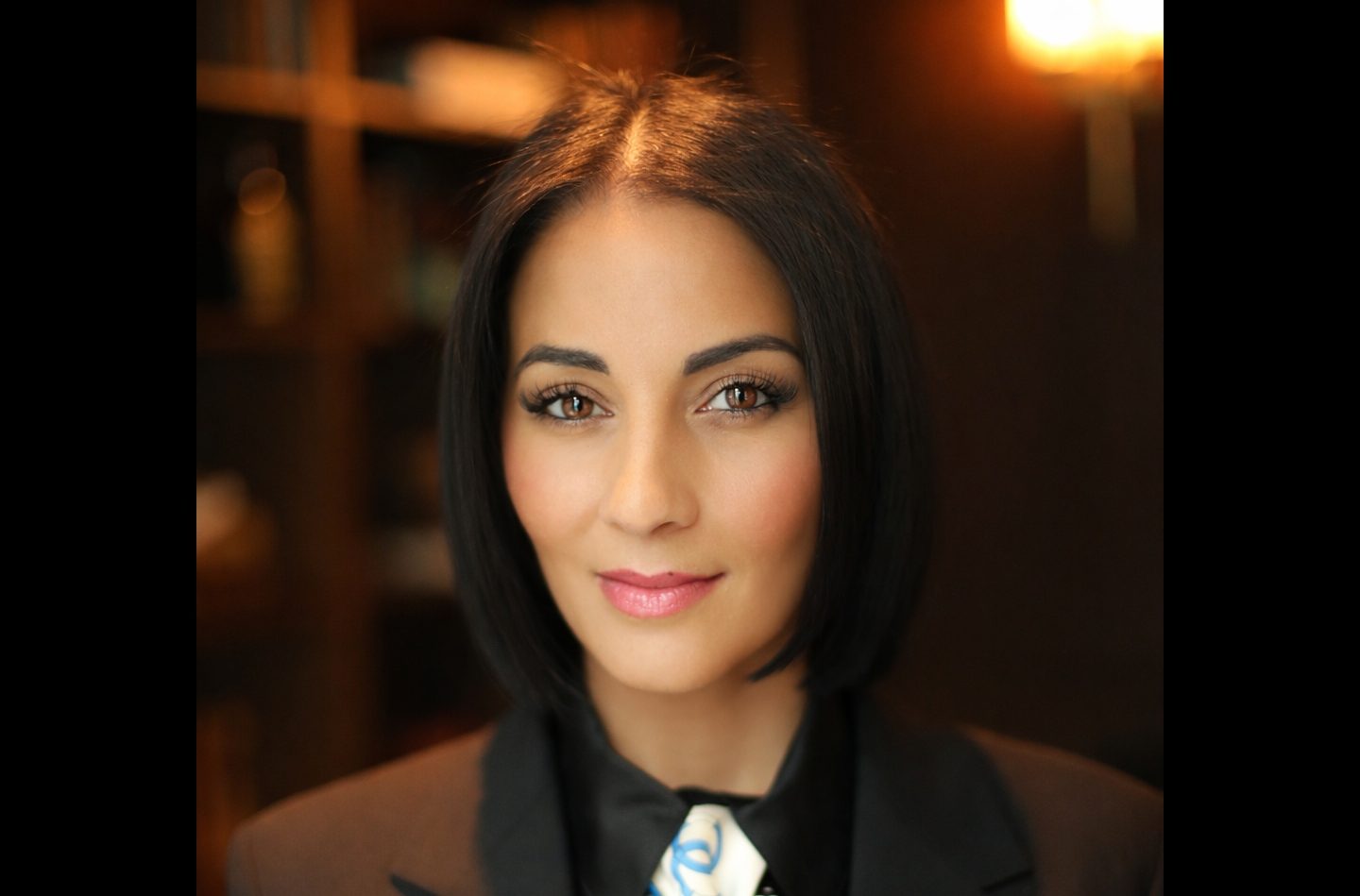

Victoria Mussi, Audio Visual Manager at SoMad
Jun 10, 2026
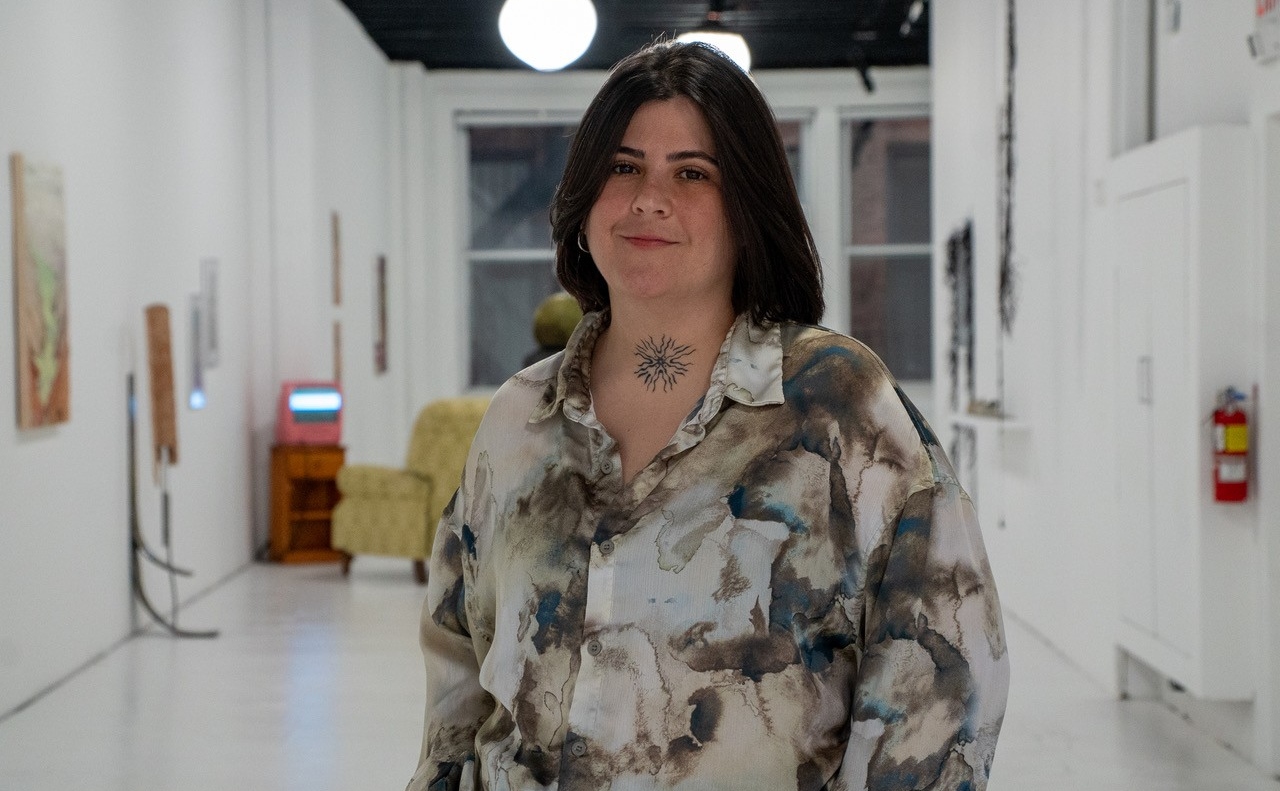
Meet Victoria Mussi, Audio Visual Manager at SoMad, the femme and queer led, independent art space and artist residency program located at 34 East 23rd Street, 4th Floor.
1. SoMad opened in 2018 in the neighborhood and is a femme and queer led independent art space and artist residency program. Can you share more about SoMad’s mission?
SoMad’s mission is to support emerging artists, particularly those from underrepresented communities, including queer and femme artists. We provide physical, mental, and digital space to create and exhibit work outside the rigid expectations of traditional institutions. As a Queer Brazilian immigrant, this mission resonates with who I am. Working with artists from around the world who engage with sensitive and urgent themes has been a meaningful part of my practice, especially in the context of production and collaboration. Bringing artists and their work into art fairs and live presentations, while also contributing to an ongoing process of digital documentation, gives the work a longer life beyond the moment of display.
2. As SoMad’s Audio Visual Engineer, what does your role look like day to day? What aspect of your job excites you the most?
A big part of my work is translating ideas into something that functions in the space and holds the production together. Once we’re in production mode – whether it’s for an exhibition, an art fair, or a residency, my focus shifts into design technical and visual systems, leading installations, and making sure all the elements come together in the best way.
There are many parts of my work that excite me. I love the early stages of development, when a proposal is made and a project starts to take shape – being involved in making things happen from the ground up, turning an idea that exists only in conversation into something real and tangible. But there’s nothing quite like the final moment: the last performance, the closing of an art fair, that rush of relief and adrenaline when everything comes together and people actually experienced what we’ve built, it’s amazing.
3. In addition to your work at SoMad, you’re also a multidisciplinary artist and creative producer. What led you to pursue a career in audio-visual arts? What professional advice can you share for emerging queer artists navigating the creative industry today?
Since I was about 17, I was already producing events, and over time it became even more exciting when I started working more closely with audiovisual systems and immersive effects within performances. My interest in audiovisual arts really grew from this intersection between the technical and the artistic side. When I was visiting museums and researching installations, I found myself just as curious about how things were made and how they worked as I was about the artwork itself. That curiosity became a driving force for me to understand systems, experiment, and eventually integrate all of this into my practice at SoMad as a multidisciplinary artist.
If I could give one piece of advice: understand the importance of community. Look at the work of other artists around you. Find support, exchange ideas, and stay open to collaboration and dialogue. So much of a creative practice grows through connection. New York City has a very important emerging artist scene, and engaging with the work of other artists can be a powerful starting point for your own internal and creative growth.
4. What exhibitions and programs are currently on view at SoMad? Is there a particular exhibition you’ve worked on that’s been a favorite?
We have our Pride Event: So Mad So Queer! coming up on June 13th. We are working in an immersive revival of the experimental club culture of the 80s and 90s, curated by Amygdala – A Brooklyn-based multidisciplinary artist who merges video, live performance and fiber art into audiovisual installations and she’s bringing together an incredible lineup of artists. The evening also serves as the closing event for Mad World – A Bag to Breathe Into. Come check!
All events and programming at the studio are very important to me because of the fact that each one of them is developed as a unique idea and experience, but if I have to choose one, I would say: Life is Drag!
The exhibition featuring the work from the residency project I worked at SoMad with Rachel Rampleman, documenting drag activism through a cinematic production. It was a meaningful experience and one of the highlights of my career. I was part of the development and production of the show, working closely with the artist and performers to shape the creative and technical aspects of the project. My role included collaborating on visual effects, lighting design, and sound engineering, while helping bring the overall vision to life. The program featured more than 20 performances from 14 different artists and included a documentary component, with artist interviews and behind-the-scenes footage. The project was highly successful and remains one of the most significant and rewarding experiences of my professional journey.
5. Flatiron & NoMad is a hub for arts and culture. How has the neighborhood’s vibrant energy and evolution influenced the way SoMad operates and innovates here?
Flatiron and NoMad is a neighborhood with real creative and cultural history and a lot of energy, our programming might be different from what’s around us, and the difference is the point! We tend to bring people into Flatiron who wouldn’t normally make it here, coming specifically for the work we’re showing and the community around it.
Part of that is that we’re not street level and you have to know we exist to find us. You can’t just wander in off the sidewalk; getting to SoMad is intentional. So, everyone in the room chose to be there, which gives the space a different kind of energy and makes it feel more like a destination than a storefront. We’re not trying to match the pace or polish of everything around us; we’re offering an alternative, and that pulls a different crowd into the neighborhood. So, the neighborhood gives us energy and visibility, and in return we bring it audiences and programming it wouldn’t otherwise have. It’s a beautiful relationship.
6. As a member of the LGBTQIA+ community, what does celebrating Pride Month mean to you, and how does that influence your creative work?
As a member of the LGBTQIA+ community, Pride Month for me is less about a single celebration and more about recognizing the ongoing work of building and sustaining queer visibility.
Working in a queer art space has also made me reflect on how connected art and queerness are in the way we perceive and interpret the world. To me, queerness opens up an expanded way of seeing – less linear, more open to complexity, contradiction, and possibility. At the same time, Pride, is not only about celebration, but also about a constant struggle for recognition and rights. Celebration and activism coexist, and both influences how I engage creatively, how I relate to community, and how I understand the role of art within broader social contexts.
7. Finally, choose three words to describe Flatiron & NoMad.
Cosmopolitan, Lively, and Iconic.
Header & Thumbnail Photo Credit: Victoria Mussi