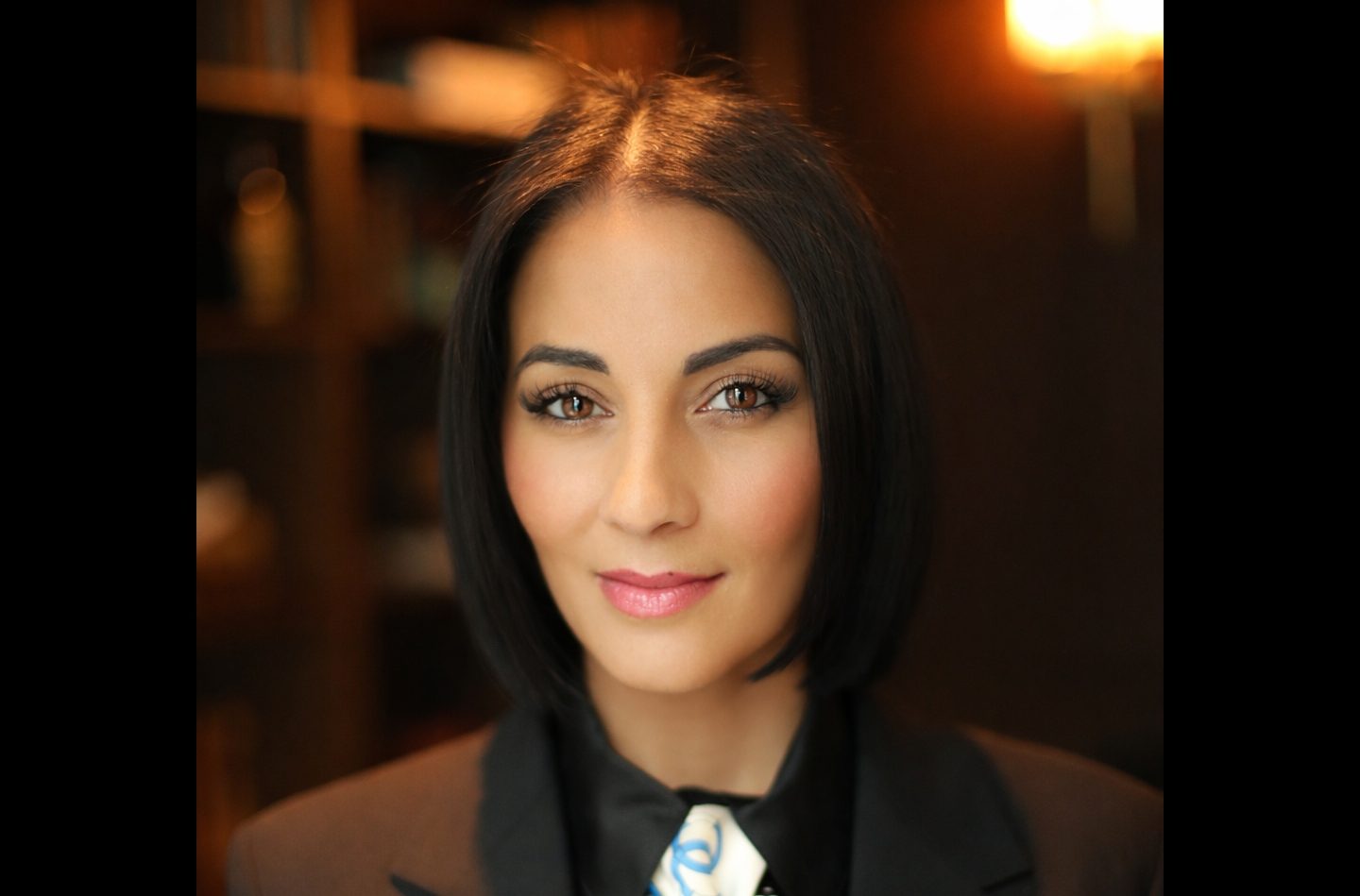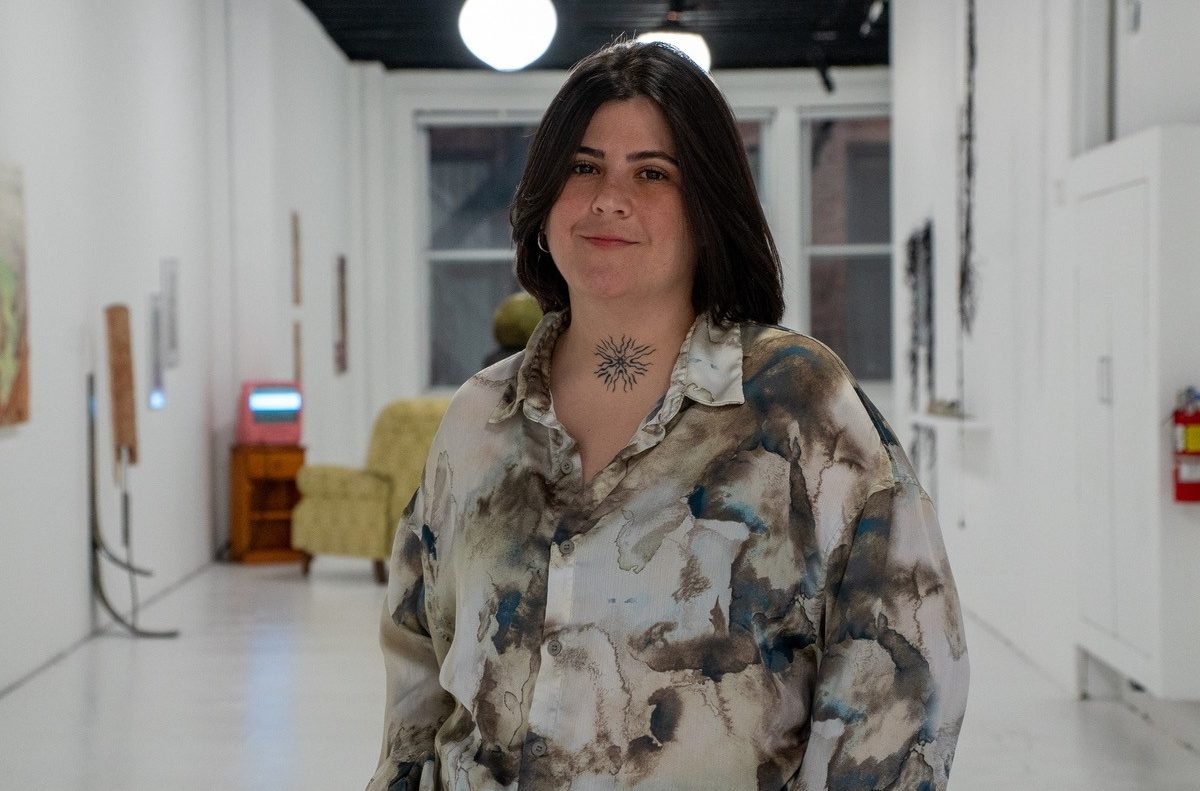

Sage Gu, Co-Founder of Dusty & Co. Ceramic
May 20, 2026
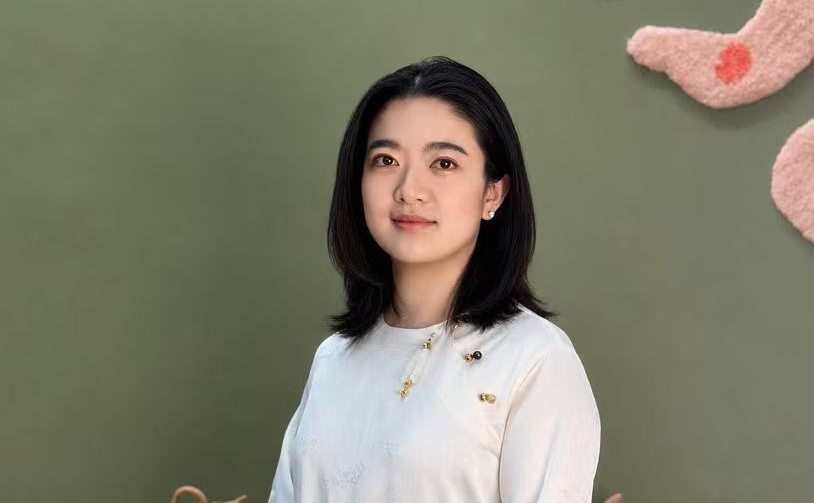
Meet Sage Gu, Co-Founder of Dusty & Co. Ceramic, the community-driven pottery studio and workshop space located at 40 West 27th Street, 5th Floor.
1. Dusty & Co. opened in NoMad in 2025. Tell us more about your community-driven pottery studio and why you chose to open your business in the neighborhood.
Dusty & Co. is a studio built by artists for artists. And by artist, I mean anyone who makes things — anyone who wants to live more intentionally, more presently, more tangibly.
We offer the full spectrum: ceramic painting for a casual afternoon, first-time wheel-throwing and hand-building, semester-long deep dives into craft, open membership for working artists who need a home base. Beyond ceramics, we host collaborations across disciplines — sound baths, 3D printing, batik waxing, tarot, soldering art, matcha bowls. Because creative life doesn’t live in one lane.
NoMad felt right for all of this. The pedestrian stretch along Broadway does something rare in Manhattan — it slows you down without asking you to leave the city. Vibrant and quiet in the same breath, surrounded by historic architecture, parks, art, and people who genuinely want to be present in it. That’s exactly who we built Dusty for.
2. As Co-Founder & Co-Owner of Dusty & Co., what does your role look like day to day? What aspect of the job excites you the most?
My focus now is partnerships and collaborations — and no two are alike. I see myself as a builder at core — in construction engineering and here. I’ve always been fascinated by how people build worlds around themselves, and how their work becomes a reflection of their story. Getting to meet people from different backgrounds and understand what they’re trying to create is the most rewarding part of what I do.
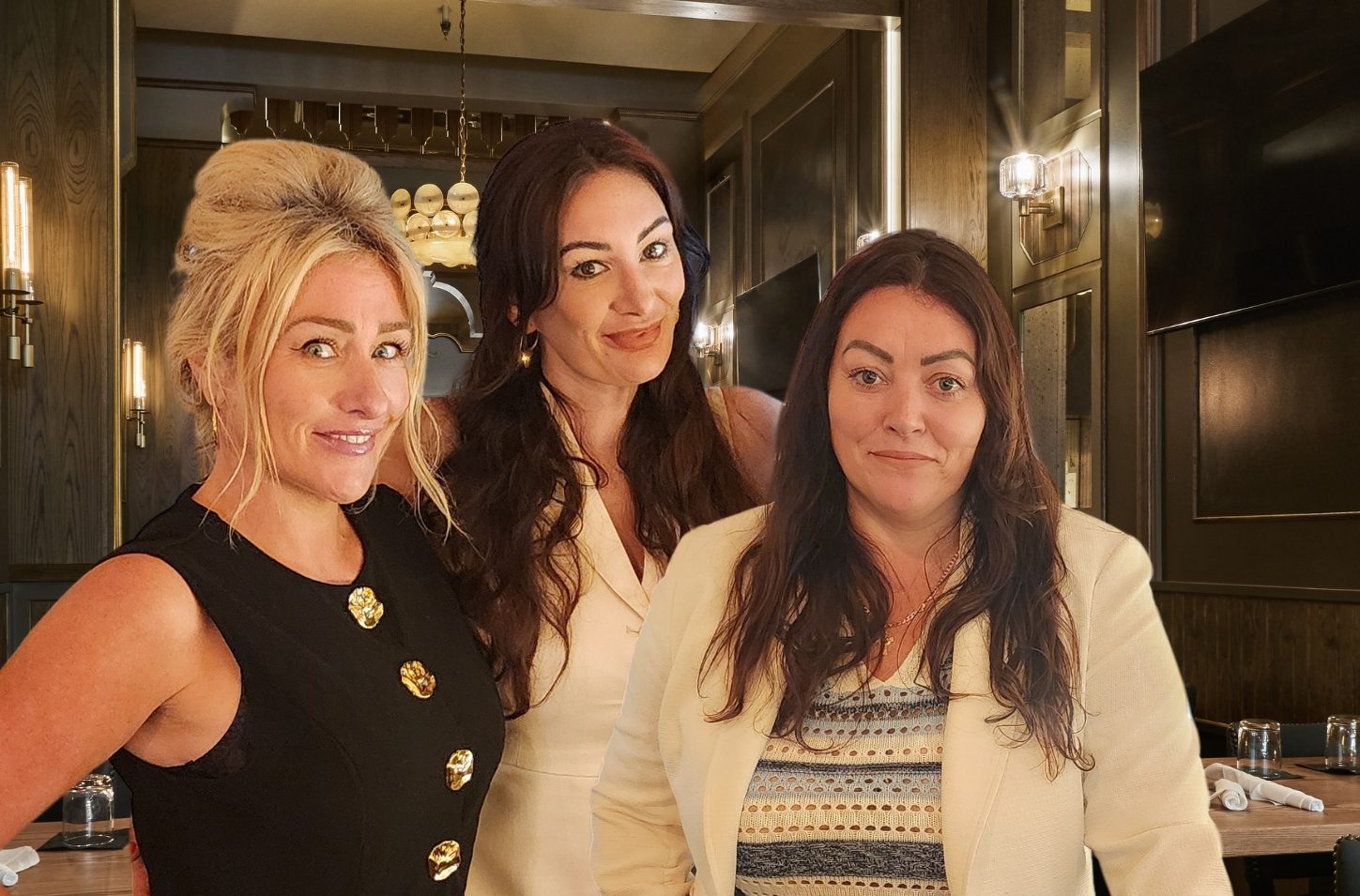
What I didn’t expect when we opened was the community that would grow around it — and how organically it would happen. Ashley, one of our members, comes from a culinary background with a deep love for vintage aesthetics and nostalgia. She created a workshop where clay becomes cake: handbuilt, slip-piped, permanently decorated — joyful, technical, and completely her own. Mavis, our very first member, started hosting marbling workshops because people in the community were drawn to her work and wanted to learn. COSA Ceramic came from California for a month-long residency, bringing her own visual language and letting New York reshape it in real time. Hwan traveled from Korea to co-make a moon jar with our local artist Rory. Different ages, different backgrounds, different sides of the world — but as he wrote afterward: “in front of the wheel we shared the same emotions. In those moments, our differences held no meaning.”
None of that was programmed. It grew from people feeling welcomed, supported, and free to bring their whole selves in. Ceramic is a lifelong practice — and so, it turns out, is building a community.
3. You began your career in engineering before becoming a small business owner. What led you to become an entrepreneur and open a ceramics studio? For aspiring entrepreneurs, what advice can you share?
I still work in construction full time — and I don’t see ceramics and construction as separate worlds. Both are about building. One at the scale of cities, the other at the scale of the human hand.
From my very first pottery class, I fell in love with something I didn’t even understand. Studio time became the fixed point my entire life organized around — vacations, dinners, plans, all came second. I wasn’t willing to miss my time at the wheel. When you start rearranging your life for something without being able to fully explain why, that itself is the why.
And then there was the making. My family and friends have been receiving my wonky pieces ever since — custom orders rarely fulfilled as requested, and honestly still aren’t. Being able to make something tangible with unfiltered time, energy, and attention for people I care about is one of the most fulfilling feelings I’ve found. You can’t replicate that with anything you buy.
Making things is how I stay human. That’s why Dusty exists — I wanted more people to have access to that.
For anyone thinking about starting something: follow the process, not just the goal. Find what you genuinely love, build around it, and trust that if you believe in it first — others will too.
4. As an Asian-owned business, what does celebrating AAPI Heritage Month mean to you? In what ways has your cultural background shaped the vision of Dusty & Co.?
AAPI Heritage Month is a reminder that culture shapes not just who we are, but how we build — the spaces we create, the values we bring into them, the way we think about community and daily life.
A lot of our approach comes from balancing Eastern sensitivity toward material, slowness, and craftsmanship with the openness and individuality of New York’s creative culture. In many Asian traditions, art and daily life were never separate — the bowl you eat from, the cup you hold each morning were never just functional objects. That sensibility is at the core of what we’re building: a space where making feels like a natural part of life rather than something reserved for artists.
Ceramic has been a central language of Chinese culture for centuries — “china” the material and “China” the country share a name for a reason. What I love about the material is that it holds both ends of the spectrum: accessible enough for everyday use, expressive enough for a lifetime of artistic exploration. And it exists between permanence and impermanence. Clay comes from earth — unfired, it can always return to soil. But once it goes through fire, it becomes nearly permanent. Every fingerprint, every decision, every imperfection gets locked inside it forever. The process becomes part of the object. The human marks stay.
As Chinese Americans, we’re bringing a contemporary voice back into one of our oldest forms — less preservation, more conversation across cultures and time. At Dusty, people come not only to make ceramics, but to reconnect with themselves and with others. The studio is our way of finding something grounded — in the material, in the culture, in each other.
5. Flatiron & NoMad is a hub for arts and culture. How has the neighborhood’s vibrant energy and evolution influenced the way Dusty & Co. operates and innovates here?
Flatiron and NoMad sit at a genuine intersection — art, fashion, hospitality, wellness, design, technology, all in close proximity. The people who walk through our door reflect that: artists, architects, engineers, singers, finance professionals, designers, students, people who have never touched clay before. That mix directly shapes how we think about programming and what the studio can be.
Being here pushed us beyond the idea of a traditional pottery studio. The neighborhood is curious and experimental — and that gave us permission to be the same. We share our building with music studios — so Oscar-winning sound artists and emerging bands literally ride the same elevator as our ceramics students. I love that kind of proximity. Different disciplines, different generations, completely different creative worlds, all moving through the same building at the same time. In NoMad, those collisions feel surprisingly natural.
There’s also something grounding about building a slow, material-based practice in the middle of one of the most fast-moving, innovation-driven neighborhoods in the city. It’s a good reminder that ceramics isn’t just tradition — it evolves. And that sometimes the most radical thing you can offer people is the chance to put down their phone and make something with their hands.
6. Outside of Dusty & Co., how do you like to spend your time in Flatiron & NoMad?
The Chelsea Flea Market, Aubi & Ramsa for ice cream, Patent Pending for a late cocktail. The flower district — there’s something about that much color and life spilling onto the street that never gets old.
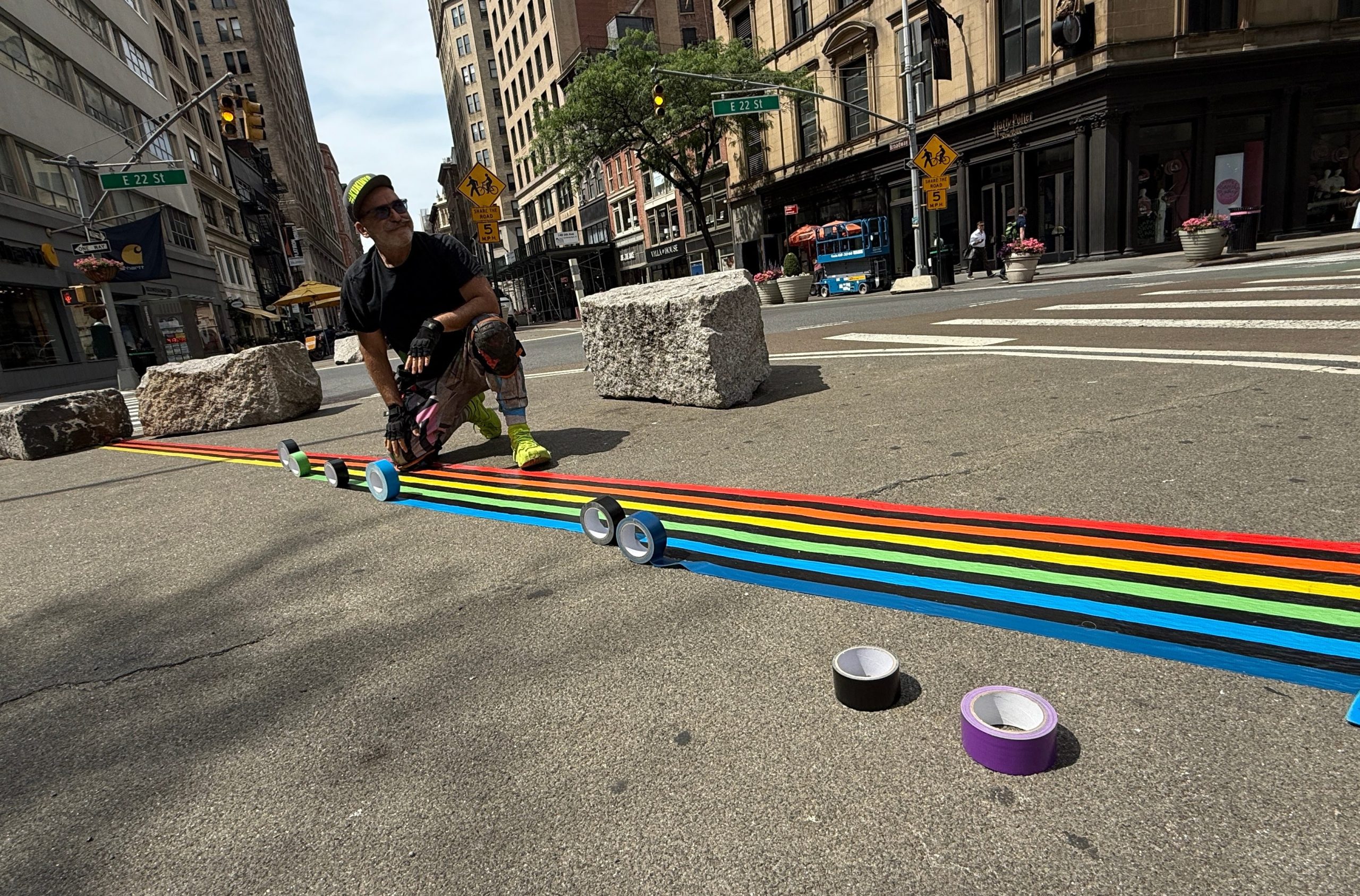
But some of my favorite moments happen simply on Broadway itself. The pedestrian walkway does something the rest of Manhattan rarely allows — it slows people down without them realizing it. Outdoor seating spills onto the sidewalk, conversations linger, strangers share the same unhurried stretch of city. ilili and Mama Mezze both carry that same warmth — the kind of dinner that turns into something longer than you planned, rich with atmosphere and hospitality.
And then there’s Capitol Plaza — our little escape. One of those small public spaces where you can sit and watch the city move at its own rhythm. People from completely different walks of life sharing the same pocket of space, unplanned and unhurried.
That quality — of life slowing down just enough to actually feel it — is something I find deeply nourishing. It’s the same energy we try to hold inside Dusty. In a neighborhood this alive, the quiet corners are worth protecting.
7. Finally, choose three words to describe Flatiron & NoMad.
Rooted. Alive. Unhurried.
Header & Thumbnail Photo Credit: Sage Gu, Dusty & Co. Ceramic