

Día de Muertos 2025: Always Present / Siempre Presente Photo Frame
NOW – 11/2
Join Flatiron & NoMad to celebrate Día de Muertos! From October 10th – November 2nd, snap photos at our newly installed frame, Always Present / Siempre Presente designed by local artist Blanka Amezkua on the Flatiron North Plaza. Tag and use #FrametheFlatiron for a chance to be featured!
About Blanka Amezkua
Formally trained as a painter, Blanka Amezkua’s work is greatly informed by folk art and popular culture. Foundational to her practice was having initiated two artist-run projects in her home. From 2008 to 2010, Bronx Blue Bedroom Project (BBBP). She then operated Alexander Avenue Apartment 3A (AAA3A), an alternative project that offered food, dialogue, workshops, and art in her living room until 2024. Her work and projects have been shown at The Met/Cloisters, Bronx Art Space, MoMA/PS1, The Bronx Museum, Wave Hill House, the Queens Museum, El Museo del Barrio, EFA Project Space, Delaware Center for the Contemporary Arts, Rowan University among many others. Amezkua earned a BFA from California State University Fresno and studied at Accademia di Belli Arti, Florence, Italy; Scuola Libera del Nudo. Mentions of her work and projects can be found in many national and international publications. She is a member of Running for Ayotzinapa 43.
About Always Present / Siempre Presente
Always Present / Siempre Presente is a special installation for Dia de Muertos honoring those who have passed. Venerating ancestors is something that takes place all over the world but the festivity takes on a very different form in Mexico. Many of the southern states welcome and honor their deceased loved ones in unexpected and beautiful ways. This cultural tradition brings together the spiritual divide between the living and the dead, inviting us to reflect that death is an important part of the cycle of life. Day of the Dead is a special celebration to remember all loved ones that are no longer with us and to honor their continued presence and contributions in our lives.
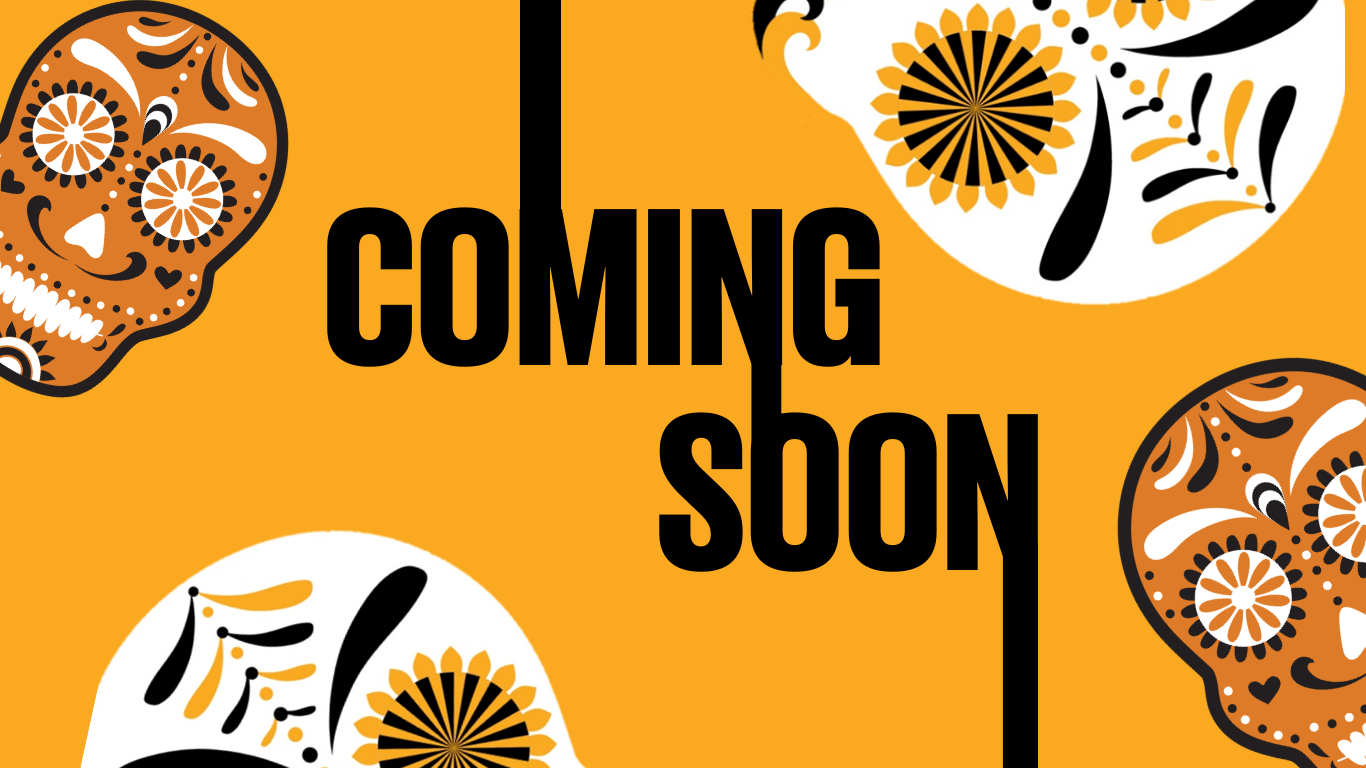
During the celebration different skulls appear. The most common skulls are made of hard sugar, bread, chocolate, but they can be made with any material that can be shaped into a skull, flat or three dimensional. Sugar skulls, in particular, serve as a sweet reminder that death is a natural part of life and a continuation of existence, not the end.
And to further enrich the festive atmosphere Blanka decided to include color ribbons and maize husks; the husks because they are primarily used to wrap tamales, a traditional food offered on altars and enjoyed during the celebrations.
Flatiron & NoMad Businesses: Have an event to add? Submit it here